Contact
| Heat recovery is a method of improving energy efficiency and reducing costs by reusing waste heat in industrial processes. These systems save energy by recovering heat from sources such as flue gases and waste steam, reduce fossil fuel consumption, and minimize environmental impacts. Widely used in the food, chemical, and energy industries, heat recovery systems offer significant benefits in terms of sustainability and efficiency. |
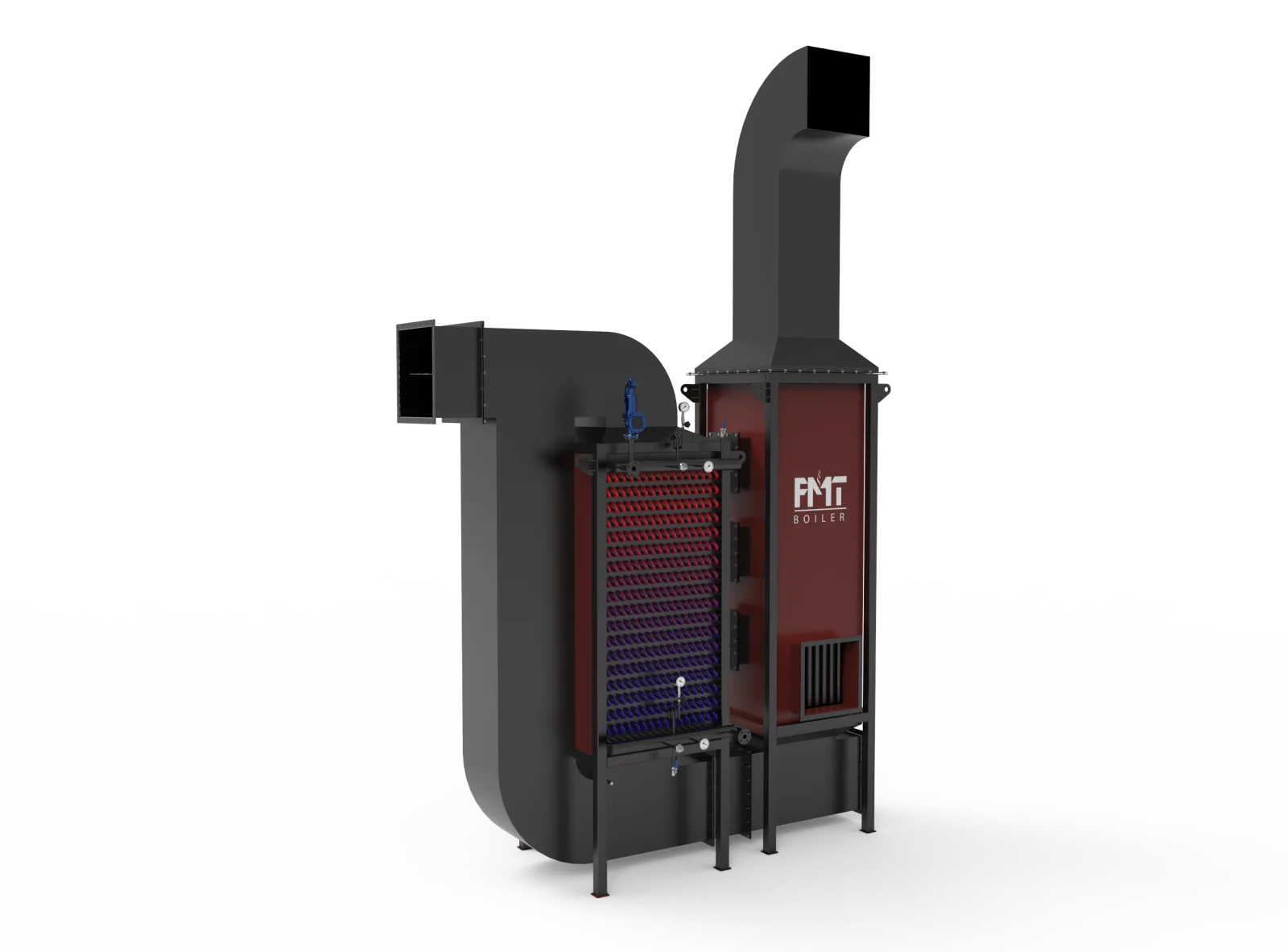
Heat recovery is a method of improving energy efficiency and reducing costs by reusing waste heat from industrial processes. These systems recover waste heat from sources such as flue gases, waste steam, and hot water, saving energy and minimizing environmental impacts. Heat recovery systems are widely used in a range of industrial applications and help businesses achieve their sustainability goals.
Heat recovery systems reduce businesses' costs by lowering energy consumption and improve environmental sustainability. Reusing waste heat increases energy efficiency and reduces fossil fuel consumption. This lowers the carbon footprint and reduces harm to the environment.
Heat recovery systems are widely used across many industrial sectors. Here are a few examples:
Several important factors should be considered when selecting a heat recovery system. First, it is important to choose a system that meets the business's needs. System capacity should be determined based on the quantity and availability of waste heat. Ease of maintenance and long service life should also be considered. Systems that improve energy efficiency and offer environmentally friendly features help businesses achieve their sustainability goals.