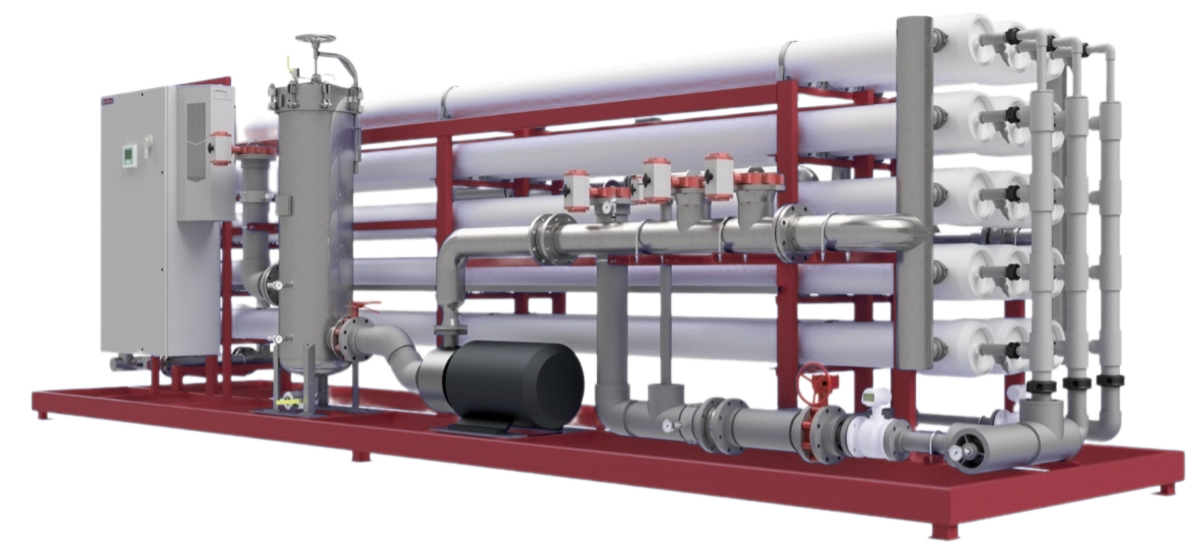
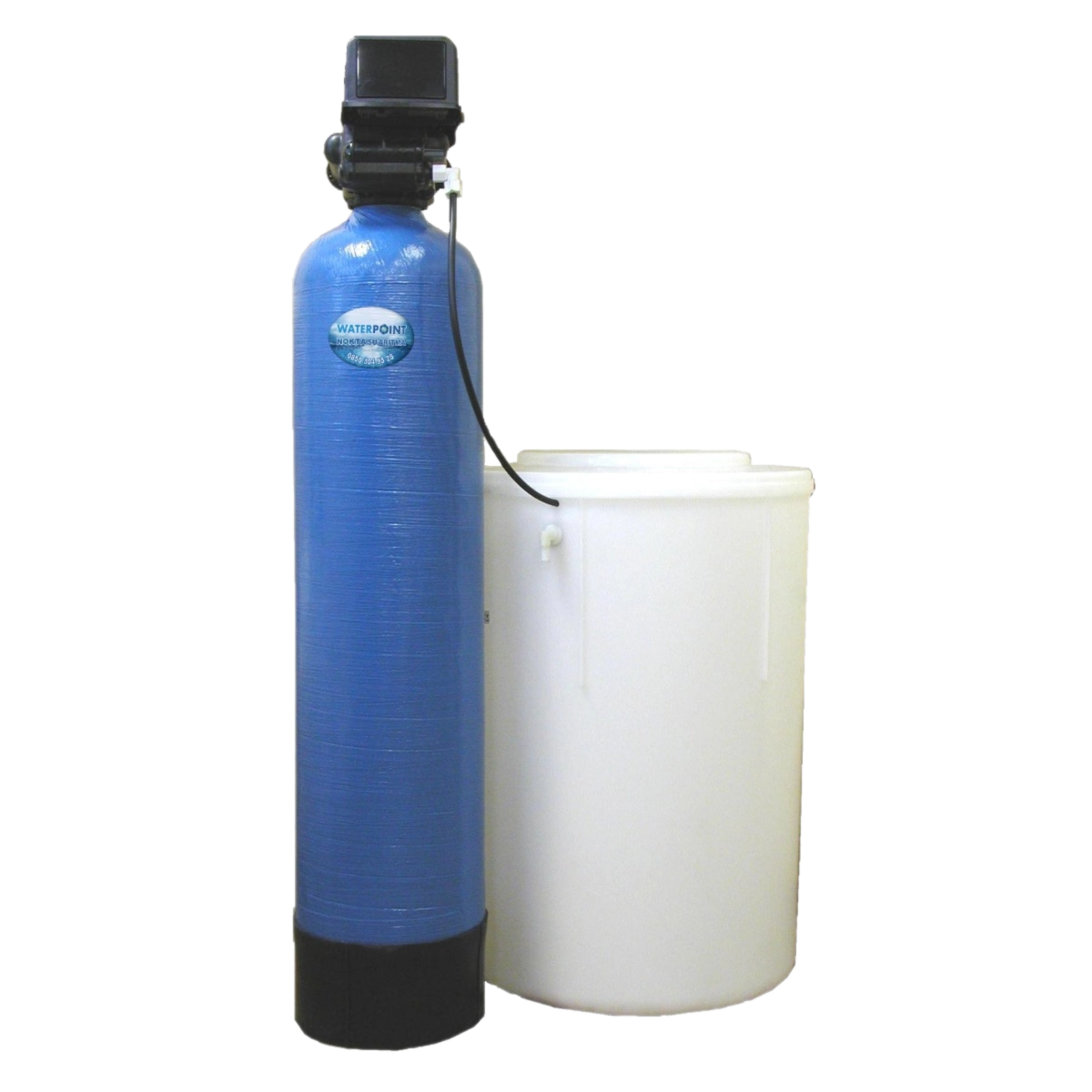
Water treatment is the process of making water suitable for its intended use. It improves water quality, making it safer and more efficient for both industrial and domestic use. Water treatment systems remove unwanted substances from water, helping to prevent problems such as corrosion, scale buildup and biological contamination.
What Is Water Treatment?
Water treatment is the process of improving the chemical and physical properties of water. This process is necessary to make water suitable for drinking, use in industrial processes, or to protect equipment and plumbing systems.
Benefits of Water Treatment
- Corrosion Prevention: Water treatment regulates the pH balance of water to prevent corrosion on metal surfaces.
- Reduced Scale and Sediment Buildup: By reducing water hardness, it prevents scale and sediment from building up in pipes and equipment.
- Control of Biological Contamination: It keeps water hygienic by controlling the growth of bacteria and other microorganisms.
- Extended Equipment Life: Clean water extends the service life of equipment and plumbing systems, reducing maintenance costs.
Water Treatment Methods
Water can be treated using a range of methods:
- Chemical Treatment: Chemicals are added to water to adjust its pH, hardness and other parameters.
- Chlorination: Chlorine is added to water to kill bacteria and microorganisms.
- pH Adjustment: An acid or base is added to bring the water's pH to the desired level.
- Physical Treatment: Unwanted substances are removed by physically treating the water.
- Filtration: Sediment, sand and other particles in the water are removed using filters.
- Softening: Ion-exchange resins are used to reduce water hardness.
- Magnetic and Electromagnetic Treatment: Magnetic fields are used to regulate the movement of ions in the water and prevent scale formation.
Water Treatment in Industrial Applications
Water treatment is critical in industrial facilities to ensure efficient processes and protect equipment:
- Steam Boilers: Treating the water used in boilers prevents corrosion and sediment buildup, and improves efficiency.
- Cooling Systems: Treating water in cooling towers and systems prevents biological contamination and scale formation.
- Processing Plants: In the chemical, food and pharmaceutical industries, water treatment protects product quality and improves process efficiency.
Water Treatment for Domestic Use
At home, water treatment is used to improve drinking water quality and protect appliances:
- Drinking Water: Home water treatment systems improve the taste, odour and microbiological quality of water.
- Household Appliances: Water softening systems extend the service life of dishwashers, washing machines and water heaters, and improve their performance.
- Heating Systems: Treating water in combi boilers and central heating systems prevents scale formation and improves system efficiency.
Environmental Impact and Sustainability
Water treatment is also important for sustainable water management:
- Water Conservation: Treated water can be used more efficiently, helping to conserve water.
- Reduced Chemical Use: Effective water treatment methods minimise chemical use, reducing its environmental impact.
- Waste Management: Proper management of waste generated during water treatment processes reduces environmental impact.
By improving water quality for both industrial and domestic use, water treatment extends equipment life, increases efficiency and supports environmental sustainability. When applied using the right methods, it maximises water quality and provides a safe, cost-effective solution.