
Contact
Solid-fuel-fired steam boilers are widely used in industrial facilities to produce heat and energy. They generate steam using solid fuels such as coal, wood, pellets and biomass. Thanks to their high efficiency and cost-effectiveness, these systems are preferred in many industries.
The most commonly used combustion types in solid-fuel-fired boilers are rotary-grate steam boilers (CGS Series) and stoker-fired steam boilers. The rotary grate burns low-calorific, moist, fine-grained coal and biomass fully automatically and with high efficiency.
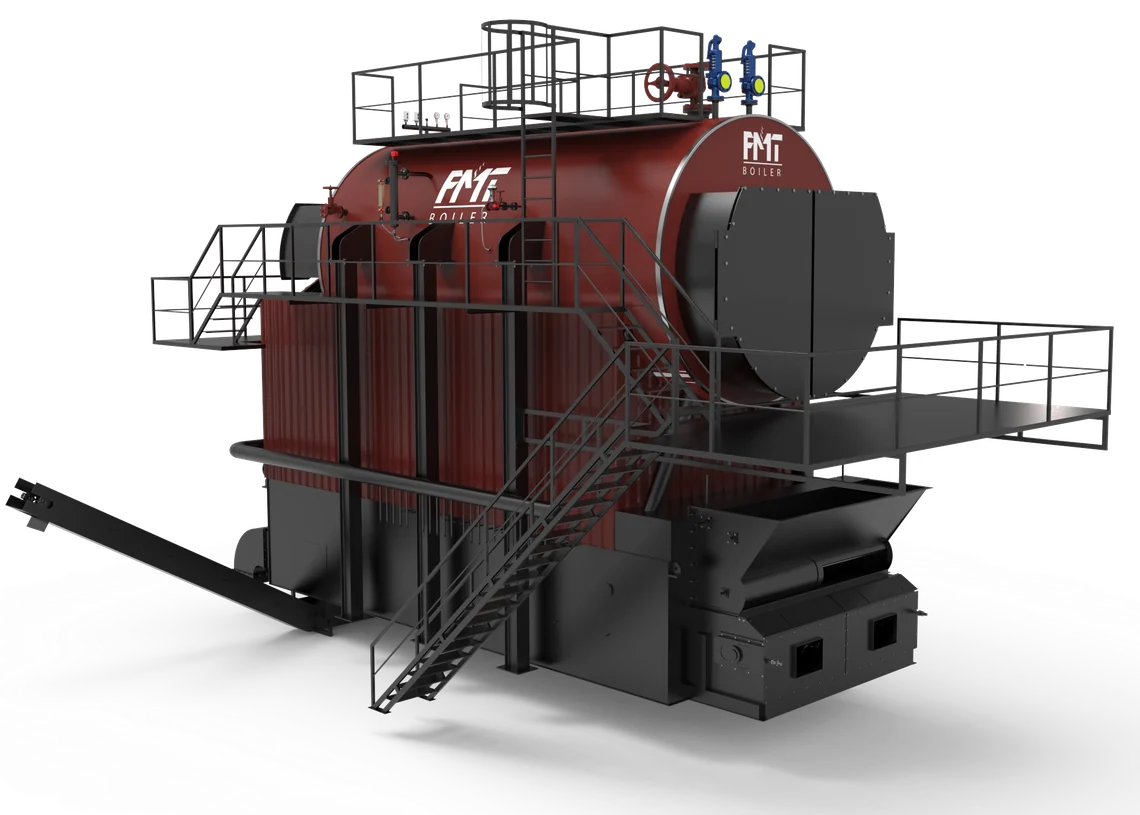 VHSB Series
Vertical Hybrid-Type Steam Boiler
 HHSB Series
Horizontal Hybrid-Type Steam Boiler
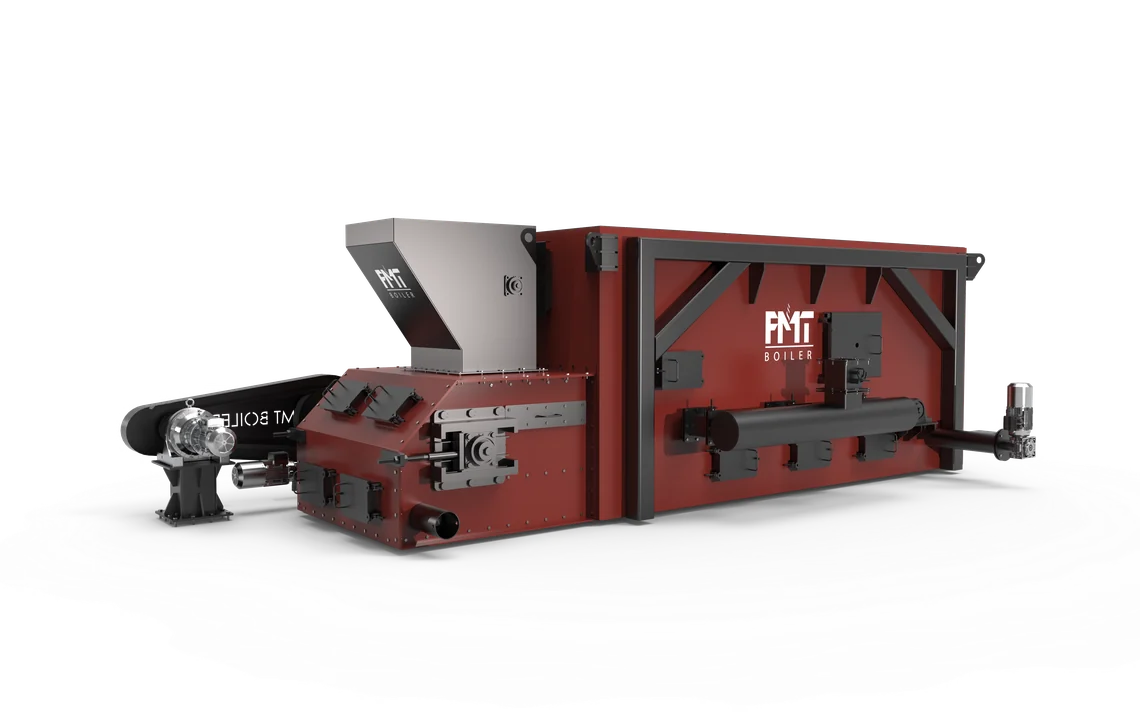 CGS Series
Rotary Grate Steam Boiler Combustion System
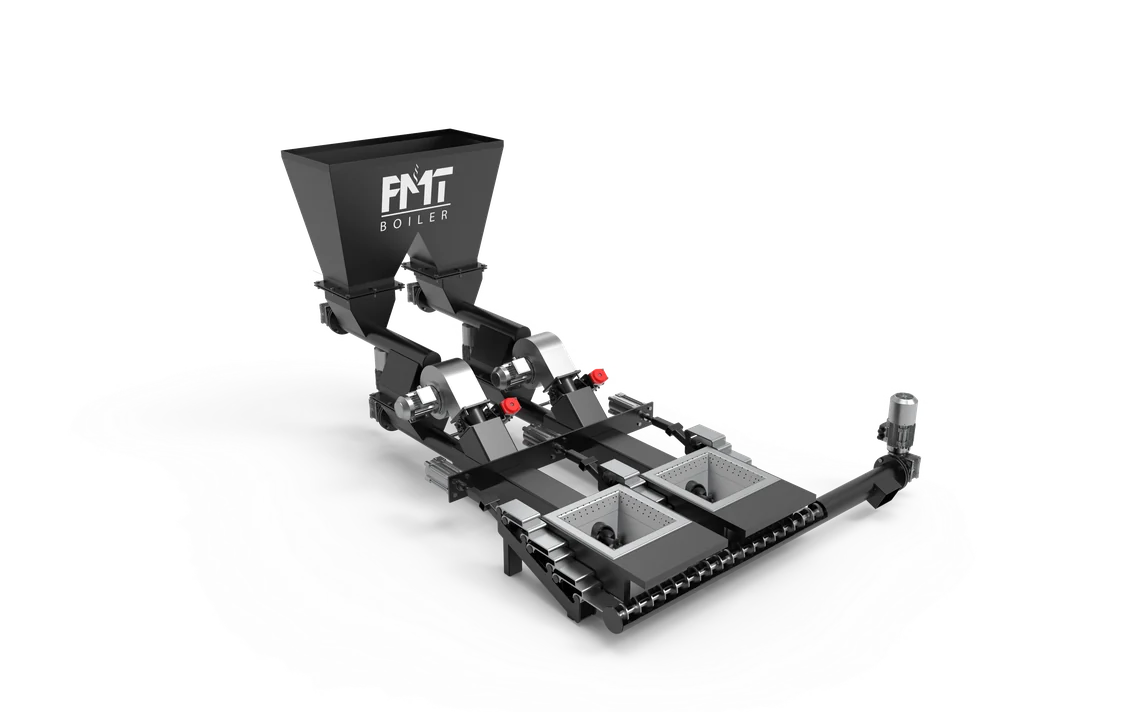 SCS Series
Underfeed Stoker Combustion System
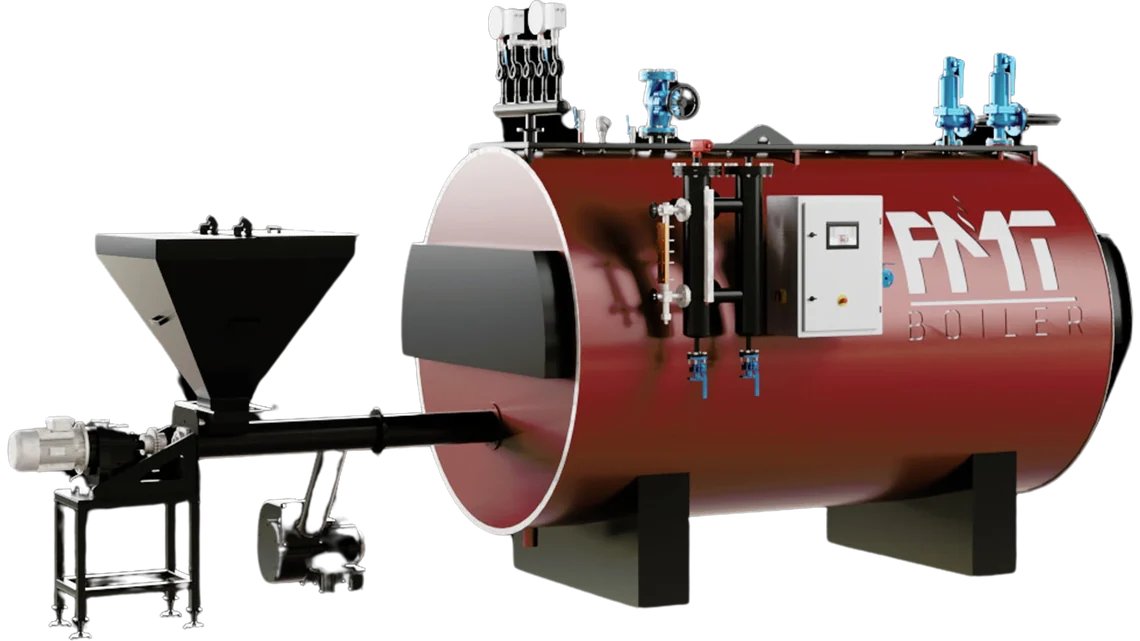 UFS Series
Underfeed Stoker Combustion System
Solid-fuel steam boilers turn water into steam using the heat released by burning solid fuels. The process works step by step as follows:
Solid-fuel steam boilers offer many advantages:
Solid-fuel steam boilers have a wide range of applications:
Regular maintenance and inspection are required for solid-fuel steam boilers to operate safely and efficiently:
Solid-fuel steam boilers also offer advantages in terms of environmental sustainability:
Solid-fuel steam boilers provide high energy efficiency and cost savings:
Solid-fuel steam boilers are a reliable and economical energy source for industrial facilities. With a variety of fuel options, high efficiency and low operating costs, they offer businesses significant advantages. When used with attention to safety and maintenance procedures, they provide a long-lasting and environmentally friendly solution.
The working principle of solid-fuel steam boilers is based on the combustion and heat transfer that take place in the combustion chamber. The heat released by combustion heats and evaporates the water, and this steam is used for energy transfer. In order, the basic working principle of solid-fuel steam boilers is as follows:
Solid Fuel Feeding: Solid fuel of suitable size is fed into the combustion chamber of the steam boiler. These fuels are usually materials obtained from natural sources such as coal or wood.
Combustion Chamber: The fuel is burned in the combustion chamber under a regulated air flow. The oxygen needed to burn the fuel is supplied in this chamber, and combustion takes place.
Heating Surfaces: The hot gases produced by combustion are directed to the heat transfer surfaces inside the boiler. These surfaces may be pipes or plates through which water passes.
Heat Transfer to the Water: The hot gases heat the water around the heating surfaces. As a result of this heat transfer, the temperature of the water rises.
Evaporation: As the water heats up, it begins to evaporate. Water molecules turn into vapor, and steam forms when the evaporation point is reached.
Steam Formation: The evaporating water molecules leave the water surface and form steam. The steam collects above the water.
Steam Collection: The steam produced gathers in a collection section at the top of the boiler. From this point it is taken out of the boiler and used for energy transfer.
Steam Use: The steam is directed to systems that require energy transfer. These are usually steam turbines or heating systems.
Ash Formation and Removal: Combustion leaves ash and unburned residues from the solid fuels. This waste usually collects in the lower section of the boiler and is cleaned out at regular intervals.
Flue Gas Discharge: At the end of the process, the flue gases produced by combustion are discharged through chimneys or exhaust systems. These gases usually contain the waste products of combustion.